
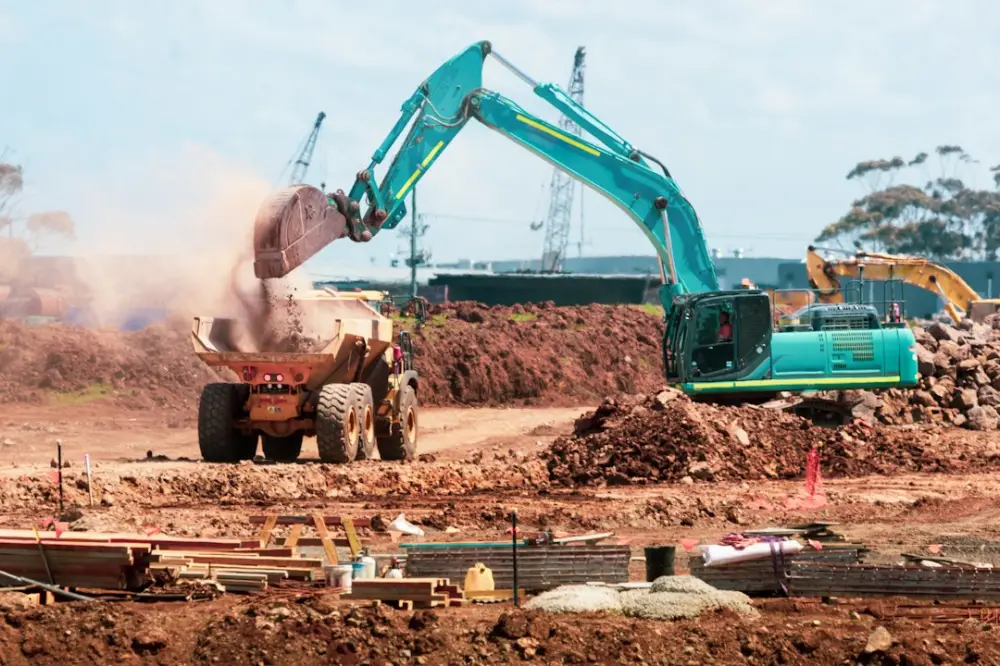
The integration of robotics into the construction sector has moved from experimental prototypes to standard operational procedure. In 2026, autonomous masonry robots, automated concrete spraying systems, and robotic welding stations are common sights on major infrastructure projects. These technologies offer unprecedented precision and speed, but they also introduce unique challenges regarding the physical environment in which they operate. Unlike static factory environments, construction sites are dynamic, requiring robots to interact with temporary structures that are constantly being assembled, moved, and dismantled.
One of the most critical aspects of these environments is the temporary infrastructure that supports construction activities. Scaffolding, shoring, formwork, and falsework provide the necessary framework for robots to navigate and perform tasks. Ensuring these structures are designed to handle the specific vibrations, weight distributions, and movement patterns of robotic machinery is essential for maintaining site safety and operational efficiency. As the industry moves toward a fully automated workflow, the synergy between intelligent systems and physical temporary works becomes a primary focus for project managers and site engineers.
The Role of Intelligent Automation in Temporary Structures
Intelligent automation is not only about the robots that build the final structure but also about the systems that manage the temporary works themselves. In 2026, we see the rise of automated scaffolding assembly systems that utilize small, specialized robotic units to transport and lock components into place. These systems reduce the risk of falls for human workers and ensure that the temporary structure is built exactly to the digital twin specification. By using sensors and computer vision, these automated assemblers can detect deviations in the ground level or structural integrity in real-time, adjusting the build to compensate for environmental factors.
Beyond assembly, intelligent automation plays a role in the logistics of temporary works. Inventory management systems now use drones and RFID tagging to track every component of a temporary structure across vast sites. This ensures that the right materials are available at the right time, preventing delays in the construction cycle. When these automated logistics systems are integrated with the broader project management software, the entire lifecycle of the temporary works—from delivery to dismantling—becomes a streamlined, data-driven process that minimizes waste and maximizes resource utilization.
Managing Dynamic Loads from Robotic Systems
Robotic systems exert different types of stress on temporary structures compared to human workers. While a human crew moves with a certain degree of unpredictability, their weight is relatively low. In contrast, heavy robotic arms or autonomous transport vehicles exert significant static and dynamic loads. A robotic arm performing high-torque drilling or lifting heavy panels can create vibrations that resonate through scaffolding or formwork. If these vibrations are not accounted for in the initial design, they can lead to fatigue in the temporary structure or even catastrophic failure.
Engineers must now utilize advanced simulation software to model how these robots interact with temporary works. These simulations take into account the robot's center of gravity, its range of motion, and the force it applies during specific tasks. By understanding these variables, designers can reinforce temporary structures in specific zones where robotic activity is most intense. This transition from general safety factors to precise, robot-specific load calculations is a hallmark of modern construction engineering in 2026.
Training and Certification for Automation Engineers
The gap between traditional construction skills and high-tech robotics expertise is closing, but it requires a new approach to professional development. Site managers and engineers who are responsible for deploying automation must understand the physical constraints of the site just as well as they understand the software driving the machines. This includes a deep knowledge of how temporary structures behave under pressure and how to identify potential points of failure before they become hazardous.
As the complexity of on-site machinery increases, the demand for cross-disciplinary expertise has risen significantly. Professionals who manage these sites often find that a formal Temporary Works Course provides the fundamental understanding of structural stability required to safely deploy heavy automation. This type of training ensures that the individuals overseeing the robots are also capable of supervising the assembly and maintenance of the platforms those robots stand on. In an era where human-robot collaboration is the norm, having a certified understanding of site safety protocols is indispensable for any engineer working with intelligent automation systems.
Real-Time Structural Health Monitoring
One of the most significant advancements in 2026 is the widespread use of Internet of Things (IoT) sensors embedded within temporary works. These sensors provide a continuous stream of data regarding the health and stability of the structure. Strain gauges, accelerometers, and tilt sensors can detect minute changes that might indicate a structure is leaning or that a joint is under excessive stress. This data is fed directly into the site's central intelligent automation hub, which can then trigger alerts or even pause robotic operations if a safety threshold is exceeded.
This real-time monitoring creates a feedback loop that enhances safety. For example, if a robotic concrete pump is exerting more pressure on a formwork system than predicted, the sensors will detect the deflection immediately. The system can then automatically adjust the pump's flow rate or alert the operator to intervene. This level of integration ensures that the temporary works are not just passive supports but are active, intelligent components of the construction ecosystem. This article provides general information and does not constitute professional engineering or legal advice.
Compliance and Safety Protocols in 2026
Regulatory frameworks have evolved to keep pace with the rapid adoption of robotics. Modern safety standards now specifically address the interaction between autonomous systems and temporary infrastructure. These regulations require detailed risk assessments that cover not only the robot's hardware and software but also the environment in which it operates. Compliance involves demonstrating that the temporary works have been designed to meet the specific requirements of the automated systems being used on-site.
Safety protocols now include "exclusion zones" where robots operate, which are often demarcated by smart barriers integrated into the scaffolding. These barriers use laser curtains or pressure sensors to detect unauthorized human entry, instantly slowing or stopping the robots to prevent accidents. Ensuring compliance with these high-tech safety measures requires a rigorous documentation process, where the digital twin of the temporary works is compared against the physical build at every stage of the project. This level of oversight reduces the likelihood of human error and ensures that the site remains a safe environment for both people and machines.
Enhancing Efficiency Through Modular Temporary Works
The future of robotics in construction is closely tied to the development of modular temporary works. Modular components that are designed for robotic handling allow for faster assembly and greater consistency. These components are often lighter and stronger than traditional materials, utilizing advanced composites that can withstand the repetitive stresses of robotic operations. When the temporary works are modular, the robots can be programmed with standardized routines for assembly and dismantling, which greatly reduces the time spent on site preparation.
This modularity also supports the trend toward off-site prefabrication. In many cases, sections of temporary works are pre-assembled by robots in a controlled factory environment and then transported to the site for final installation. This approach minimizes the time that workers and machines spend in high-risk areas and ensures a higher level of quality control. As we look further into the decade, the distinction between the permanent building and the temporary structures used to create it will continue to blur, as both become parts of a single, highly integrated, and automated construction process.