
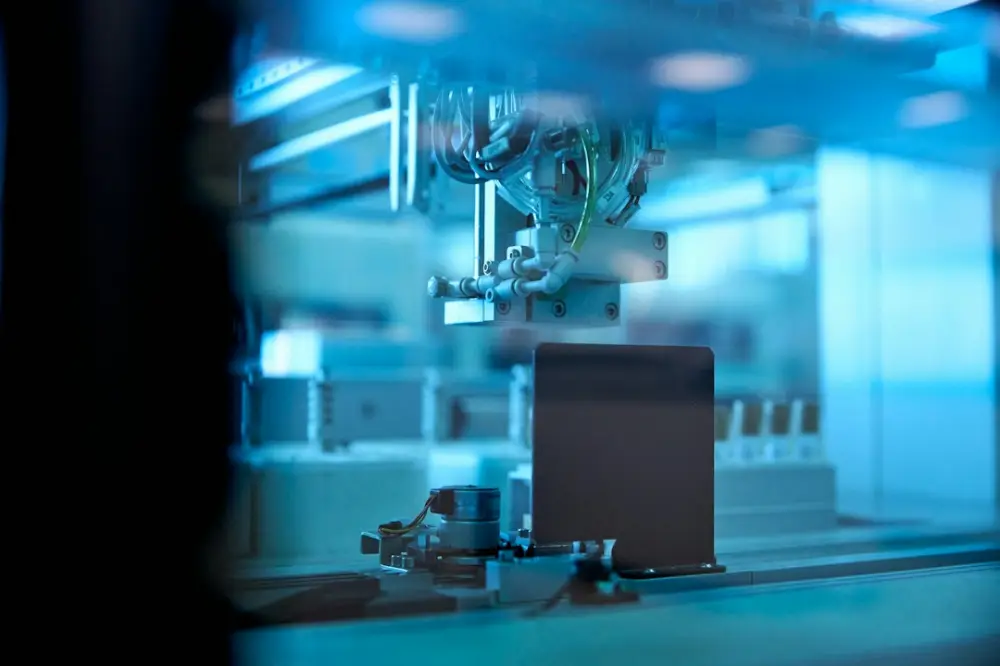
Robotics simulation is a virtual environment used to test robot behavior and programming without physical hardware. A digital twin is a dynamic, real-time virtual replica of a physical robot, synchronized via sensor data. While simulations are used for design and testing, digital twins provide ongoing monitoring and optimization throughout a robot's lifecycle.
Integrating these virtual layers into a development workflow shortens the gap between initial concept and industrial deployment. It allows engineers to stress-test edge cases—such as sensor failures or unexpected obstacles—in a risk-free environment. This ensures that when a system eventually reaches the floor, the software is already hardened against real-world variability.
The Role of Simulation Engines
Robotics simulation relies on high-fidelity physics engines to calculate gravity, friction, and collisions. Tools like Gazebo, MuJoCo, or NVIDIA Isaac Sim allow developers to build a 3D model of a warehouse or factory and place a virtual robot within it. In this space, you can test how a mobile robot navigates a narrow aisle or how a six-axis arm handles a delicate object. Because this happens in a computer, you can run simulations at 10x speed, testing thousands of scenarios in 2026 that would take months to perform in a physical lab.
The Connectivity of Digital Twins
A digital twin differs because it is tethered to a live machine. Using IoT protocols and high-speed sensors, the twin receives a constant stream of data from the actual robot on the factory floor. If the physical robot’s motor temperature rises or its cycle time slows, the digital twin reflects these changes immediately. This connection creates a feedback loop where the virtual model serves as a diagnostic tool, allowing operators to see "inside" the machine's logic and physical state without stopping production.
Key Differences: Simulation vs. Digital Twins
The primary distinction lies in the flow of data and the timing of the use case. Robotics simulation is typically an offline process used during the design and validation phases. For instance, when planning a robotics pilot on the production line, engineers use simulation to ensure the robot’s reach covers all necessary workstations. Once the design is finalized and the code is verified, the simulation's primary job is complete.
In contrast, a digital twin lives as long as the physical robot does. It is an online, persistent model. While a simulation helps you decide how a robot should work, a digital twin tells you how well it is working right now. This distinction is vital for industries moving toward autonomous operations in 2026, where real-time monitoring is required to prevent downtime. According to technical definitions of the technology, the bidirectional flow of information is what truly separates a twin from a standard 3D model.
- Simulation: Predictive, used for "what-if" scenarios, operates independently of live hardware.
- Digital Twin: Reflective, used for real-time monitoring, requires a live data link to physical hardware.
- Lifecycle: Simulation peaks during R&D; digital twins peak during active operations.
Benefits of Virtual Modeling in Robotics
One of the most significant advantages of using virtual models is the reduction of hardware wear and tear. Testing a new picking algorithm on a physical robot can lead to collisions that damage expensive end-effectors or sensors. In a simulation, a crash costs nothing but a few seconds to reset the software. This safety net encourages more aggressive experimentation, leading to more efficient motion paths and faster cycle times.
Another benefit involves the generation of synthetic data. Modern AI-driven robots require massive amounts of data to "learn" how to recognize objects or navigate complex environments. In 2026, developers use simulations to generate thousands of images of various lighting conditions and camera angles, which are then used to train neural networks. This is much faster than manually photographing objects in a physical studio. You can see how this accelerates development by looking at the top 7 real-world use cases of smart robotics, where rapid iteration is the key to market entry.
Predictive Maintenance and Troubleshooting
Digital twins excel at identifying problems before they cause a line stoppage. By comparing the live data from a robot to its "ideal" performance stored in the digital twin, software can detect subtle deviations. If a joint is drawing 5% more current than usual to move the same load, the digital twin can flag a potential bearing failure. This allows maintenance teams to schedule repairs during planned downtime rather than reacting to a sudden breakdown during a critical shift.
Future-Proofing Automation with Virtual Environments
By leveraging both simulation and digital twins, enterprises create a resilient infrastructure that adapts to changing production demands. These virtual environments allow for rapid reconfiguration of assembly lines without physical trial-and-error, ensuring that new workflows are optimized for safety and speed before implementation.
How to Begin Your Simulation and Digital Twin Journey
Transitioning from manual processes to virtualized robotics requires a structured approach to ensure data accuracy and system reliability.
- Start by identifying a high-impact use case, such as a complex assembly task or a high-traffic navigation route, where simulation can mitigate physical risk.
- The first step in the technical setup is selecting a high-fidelity physics engine that supports your specific hardware and sensor requirements.
- To begin the modeling process, import your robot’s CAD data and define its kinematic constraints within the virtual environment.
- Next, establish a data pipeline using protocols like MQTT or ROS2 to allow the digital twin to receive real-time telemetry from the physical machine.
- Finally, perform a "sim-to-real" validation by comparing the virtual output against physical behavior to calibrate the model for maximum accuracy.
Arimaz’s Approach to Integrated Digital Twins
For those managing intelligent automation, the goal is rarely to just have a 3D model; the goal is to have a tool that drives better decision-making. At ArimaZ, the focus remains on bridging the gap between virtual experimentation and physical reality. By implementing a robust digital twin strategy, operators can move beyond simple automation and into the realm of truly autonomous, self-optimizing systems. This approach ensures that every line of code and every mechanical movement is validated before it ever touches the factory floor.
In 2026, the transition from simulation to a live digital twin should be seamless. ArimaZ emphasizes the importance of using unified data standards so that the work done during the simulation phase feeds directly into the operational twin. This continuity reduces the overhead of maintaining separate systems and provides a single source of truth for the robot's performance. For teams looking to scale their robotics footprint, investing in these virtual foundations is the most reliable way to ensure long-term efficiency and a higher return on investment in automation hardware.